Leave Your Message
0%

In the ever-changing world of caring for babies, choosing the right diaper is super important for parents who want both comfort and practicality. Back in 2022, a report from Grand View Research estimated that the global market for Baby Diapers was around $60 billion—a number that's expected to jump to about $90 billion by 2028. This growth makes sense when you think about how more parents are becoming aware of good hygiene for their little ones and how convenient disposable diapers are. Plus, all those new materials and tech innovations keep making them better! As parents navigate through the dozens of options out there, knowing which brands and products stand out really helps.
2025 Top 5 Baby Diapers Every Parent Needs to Know

Top 5 Baby Diapers in 2025: Key Features Every Parent Should Consider

When choosing The Best Diapers for your baby in 2025, several key features should be on every parent's radar. Comfort is paramount; modern diapers now come with soft, breathable materials that prevent irritation and keep your baby feeling dry. Look for options with a stretchy waistband and leg cuffs that offer a snug fit without being restrictive, allowing for freedom of movement during playtime.

Another crucial consideration is absorbency. In 2025, innovative technologies have led to diapers that can hold larger volumes of liquid, reducing the frequency of changes and helping to keep your baby comfortable throughout the night. Additionally, eco-conscious parents may want to explore biodegradable options that minimize environmental impact while still providing the same level of performance and protection as traditional diapers. By focusing on these essential features, parents can make informed decisions that best suit their baby’s needs and their family lifestyle.

Market Trends: The Growing Demand for Eco-Friendly Diapers in 2025

The demand for eco-friendly baby diapers is set to escalate significantly in 2025, reflecting a larger global trend towards sustainability in consumer products. As the global diaper market is projected to grow from $3.59 billion in 2025 to $7.52 billion by 2032, a compound annual growth rate of 11.13%, eco-friendly options will capture an increasingly larger share of this market. Parents today are becoming more conscious of the environmental impacts of their purchases and are seeking diapers made from sustainable materials and production processes.

The rise of lyocell fiber and other biodegradable materials is noted as a key contributor to this trend. With the lyocell fiber market expected to grow substantially, its application in baby diapers is anticipated to gain traction. Simultaneously, the cloth diaper market is also predicted to experience remarkable growth, with an expected increase from $2.91 billion in 2025 to $6.49 billion by 2032, marking a compound annual growth rate of 12.15%. Both trends underscore a collective shift towards more environmentally friendly diaper choices as parents prioritize sustainability without compromising quality.

Comparative Analysis: Disposable vs. Cloth Diapers Based on Parent Surveys

In recent surveys conducted among parents regarding diaper preferences, the ongoing debate between disposable and cloth diapers has garnered significant attention. Parents appreciate the convenience of disposable diapers, noting their ease of use, especially for on-the-go lifestyles. The lack of washing requirements and the ability to simply toss them away after use make disposables an appealing choice for many. However, concerns about environmental impact and the associated costs for extended use often emerge in discussions.

Conversely, cloth diapers are praised for their sustainability and potential long-term savings. Surveys indicate that parents who choose cloth diapers value their impact on reducing waste and appreciate the variety of styles and fabrics available. Moreover, many report that cloth options can be gentler on a baby’s skin, potentially reducing the likelihood of diaper rashes. Despite the challenges of laundering and the initial investment in a complete cloth diapering system, many parents see them as a worthwhile commitment. Ultimately, the choice between disposable and cloth diapers depends largely on personal lifestyle, values, and budget considerations.

2025 Top 5 Baby Diapers Every Parent Needs to Know

Diaper Type Comfort (Rating out of 5) Leak Protection (Rating out of 5) Cost (Average per Diaper) Environmental Impact (1-10 Scale) Parent Satisfaction (%)
Disposable Diapers 4.5 4.8 $0.30 2 90%
Cloth Diapers 4.8 4.5 $0.15 8 85%
Biodegradable Disposable 4.6 4.7 $0.40 7 88%
Training Pants 4.3 4.2 $0.50 5 82%
Hybrid Diapers 4.4 4.6 $0.35 6 87%

Expert Recommendations: Pediatricians' Insights on Diaper Safety and Health

When choosing diapers for your baby, safety and health should be your top priorities. Pediatricians emphasize the importance of selecting diapers that are free from harmful chemicals and allergens. Opt for brands that feature natural materials and are certified by relevant health authorities. Many experts recommend hypoallergenic options, especially for babies with sensitive skin, as they help reduce the risk of diaper rashes and irritation.

**Tips**: Always check the ingredient list on diaper packaging; avoid those containing fragrances or chlorine. Additionally, consider the fit of the diaper to prevent leaks and ensure comfort. A well-fitting diaper not only keeps your baby dry but also supports their active lifestyle.

Moreover, pediatricians advise parents to change diapers frequently to maintain skin health. Leaving a wet diaper on for an extended period can lead to discomfort and skin problems. Establishing a regular changing routine can help keep your baby happy and rash-free.

**Tips**: Set a timer or use reminders on your phone to stay consistent with diaper changes, especially at night. Don't hesitate to explore various brands until you find the one that suits both your baby’s needs and your preferences.

2025 Top 5 Baby Diapers - Expert Recommendations

This chart represents the average safety ratings and health recommendations for the top 5 baby diapers as advised by pediatricians. The data reflects the consensus based on various safety and health criteria, including breathability, absorbency, skin-friendliness, and chemical safety.

Cost-Benefit Breakdown: Analyzing the Average Diaper Expenses for Families in 2025

2025 Top 5 Baby Diapers Every Parent Needs to Know

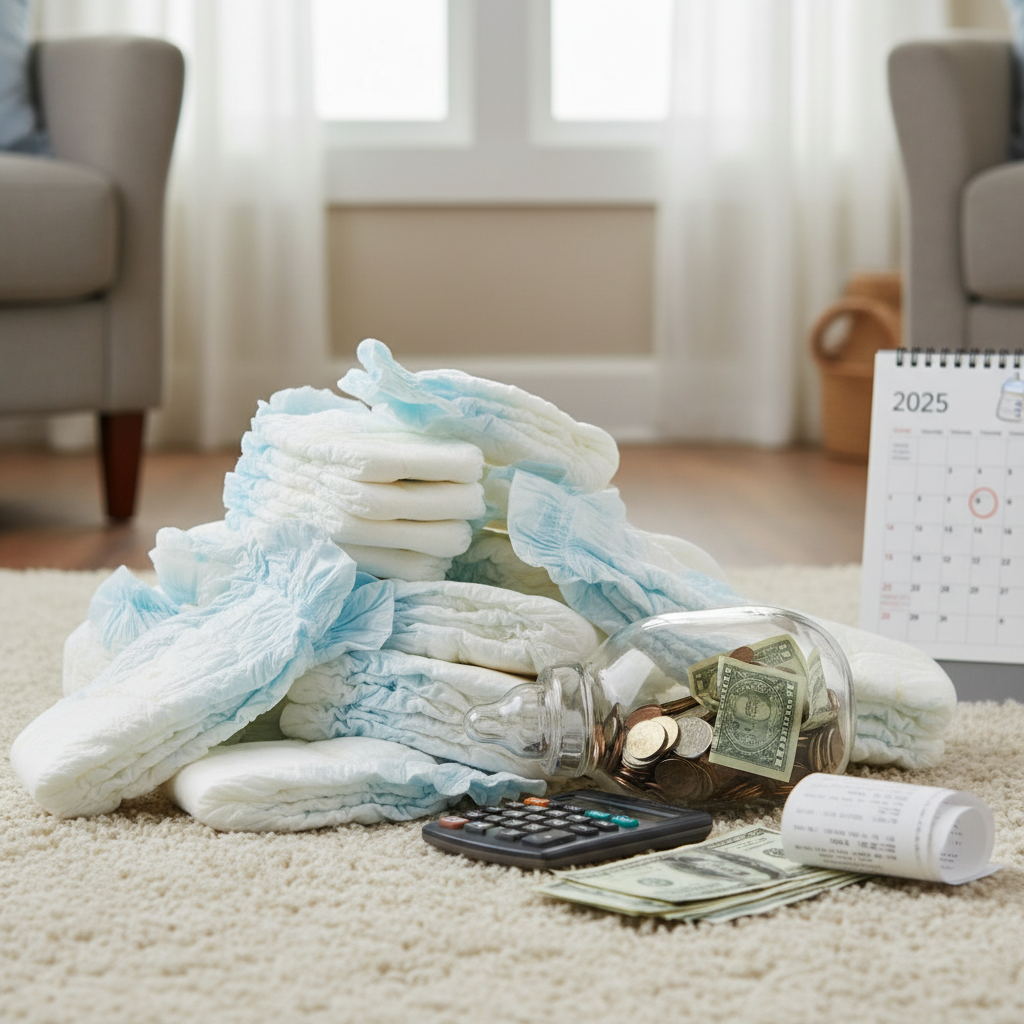
In 2025, the average family can expect to spend between $1,500 to $2,000 on diapers from birth to potty training. This figure aligns with the findings from a recent industry report by the National Diaper Bank Network, which highlights the financial burden of diapering for parents. With the average baby using around 6 to 10 diapers a day, costs can quickly add up. Parents need to be strategic about their purchases, considering both quality and expenses.

Tip: To manage diaper costs effectively, consider buying in bulk or subscribing to diaper delivery services, which often offer discounts. Many brands also have loyalty programs that can help offset expenses over time.

Moreover, eco-friendly diaper options are gaining popularity, which may initially seem pricier but can lead to savings in the long run due to their potentially higher absorbency and reduced need for changing. According to a 2023 report from the Sustainable Diaper Coalition, eco-friendly diapers can also help reduce diaper-related waste, making them a more cost-effective choice for environmentally-conscious families.

Tip: Always keep an eye on sales and promotions. Stockpiling during these periods can significantly lower your overall diaper expenses throughout the year.

Consumer Reviews: The Most Rated Diapers According to Online Parent Communities

In 2025, the landscape of baby diapers continues to evolve, with parents increasingly relying on online communities to share their experiences and recommendations. Consumer reviews from these forums highlight the top-rated diapers that excel in performance, comfort, and eco-friendliness. Parents often prioritize features such as absorbency, softness, and the ability to prevent leaks, making their voices crucial in determining the best choices in the market.

Among the most rated options, brands like Pampers, Huggies, and Honest Company consistently receive high marks for quality and reliability. Parents praise Pampers for their exceptional leakage protection and softness, while Huggies is celebrated for its fit and durability during active play. The Honest Company has garnered attention for its commitment to eco-friendly materials without sacrificing performance, appealing to environmentally conscious families. Overall, these consumer insights not only guide new parents in selecting the right diapers but also foster a sense of community as they share their trials and triumphs in parenting.

FAQS

: What are the key features to consider when choosing baby diapers in 2025?

: Key features include comfort, absorbency, eco-friendliness, stretchy waistbands, and leg cuffs for a snug fit without restriction.

How can parents ensure the comfort of their baby in 2025 diapers?

Parents should look for diapers made from soft, breathable materials that prevent irritation and keep the baby dry.

What is the expected cost of diapers for families from birth to potty training in 2025?

Families can expect to spend between $1,500 to $2,000 on diapers during this period.

How often do babies typically use diapers, which affects overall costs?

The average baby uses around 6 to 10 diapers a day, leading to significant expenses over time.

What strategies can parents use to manage diaper costs effectively?

Parents can buy in bulk, subscribe to diaper delivery services, join loyalty programs, and look for sales and promotions.

Are eco-friendly diapers a more cost-effective option in the long run?

Yes, while they may seem pricier initially, eco-friendly diapers can have higher absorbency and reduce the frequency of changes, leading to savings.

What benefits do biodegradable diaper options offer?

Biodegradable diapers minimize environmental impact while providing comparable performance and protection to traditional diapers.

Why is absorbency an important feature in diapers for 2025?

High absorbency reduces the frequency of changes, ensuring the baby remains comfortable throughout the night.

Conclusion

The article titled "2025 Top 5 Baby Diapers Every Parent Needs to Know" delves into essential features that parents should consider when choosing baby diapers in 2025. It highlights the rising demand for eco-friendly diaper options, driven by market trends favoring sustainability. A comparative analysis between disposable and cloth diapers, based on surveys from parents, sheds light on preferences and practicalities. Additionally, pediatricians provide valuable insights on diaper safety and health, while a cost-benefit breakdown addresses average expenses families face when purchasing baby diapers. Consumer reviews from online parent communities further assist in identifying the most rated diaper products, guiding parents toward informed choices for their little ones.

As a key player in the baby diaper industry, Guangdong Bangbao personal care products Co., LTD. is committed to producing high-quality baby diapers that meet the evolving needs of families. With a strong focus on product development and innovation, Bangbao ensures that parents have access to reliable and safe diaper options in 2025 and beyond.

Isabella

Isabella

Isabella is a dedicated marketing professional at Guangdong Bangbao Personal Care Products Co., Ltd., where she demonstrates a remarkable expertise in the field of personal care. With a keen understanding of market trends and consumer preferences, Isabella plays a pivotal role in driving the......
Previous Essential Guide to Choosing the Best Pull Ups Diapers for Your Business